How the Gig Economy is Shaping Our Social Fabric?
April 2, 2026
Key Highlights:
● The gig economy offers workers autonomy, flexibility, and multiple simultaneous roles.
● Traditional job stability and social safety nets are challenged by independent contracting.
● Digital platforms foster virtual communities and global collaboration among gig workers.
● Governments face complex regulatory and taxation issues related to gig employment.
● The gig economy is reshaping how individuals define career success, entrepreneurship, and consumer behavior.
Estimated Reading Time: 10.2 minutes┃Post by Marcus Ellison
In recent years, the gig economy has emerged as a powerful force that is reshaping the global labor market. Characterized by short-term, flexible work arrangements often facilitated through digital platforms, this shift is transforming how people earn a living and how businesses operate. Gig workers are no longer confined to traditional office spaces or nine-to-five schedules; instead, they are taking on freelance, contract, and temporary roles that offer autonomy and flexibility. This radical shift is not only affecting economic systems but also altering social dynamics, as workers face new challenges and opportunities in a rapidly evolving landscape. From the rise of online platforms like Uber and Fiverr to changes in labor laws and social safety nets, the gig economy is undeniably leaving its mark on society.
As this economic model continues to grow, it raises profound questions about job stability, worker rights, and the future of employment. The gig economy is simultaneously empowering individuals with more control over their work-life balance and presenting new complexities that demand innovative solutions. How will these changes shape the future of work and society as a whole?
How the Gig Economy Redefines the Traditional Workforce
The traditional workforce has been structured around long-term, stable jobs. For decades, individuals were encouraged to seek permanent employment with one company, often with the promise of security, benefits, and steady pay. These jobs typically involved working for a single employer who offered regular wages, healthcare benefits, retirement plans, and opportunities for upward mobility within the company. This kind of work culture was once the gold standard, one to which many aspired.
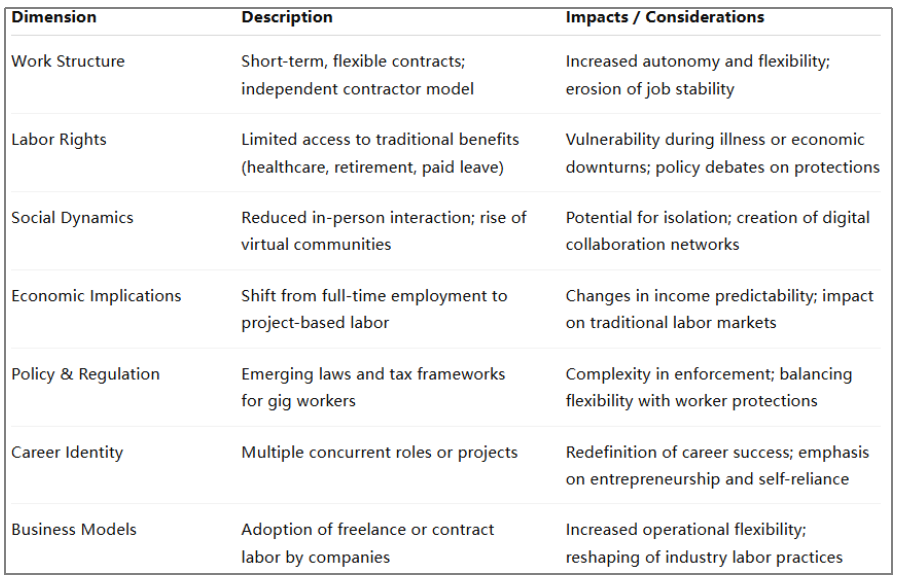
(Table 1- Key Dimensions and Impacts of the Gig Economy)
However, as technology progressed and societal values shifted, this traditional model began to face challenges. The gig economy—defined by short-term, flexible jobs where workers are often considered independent contractors—emerged as a viable alternative for both employers and employees. Platforms such as Uber, Airbnb, and Fiverr made it easier for individuals to find work that suited their schedules, skills, and desires for flexibility.
The flexibility of gig work offers workers a unique sense of autonomy. Rather than being tied down to one employer or working within a set schedule, gig workers are empowered to choose when, where, and how much they work. For some, this newfound freedom is a dream come true, offering the ability to tailor their work life to their personal needs. For others, it may feel like a precarious balancing act, as the absence of a steady paycheck and benefits can introduce financial insecurity and stress. However, studies have shown that many workers value the independence and control that gig work offers, with the majority of gig economy participants citing flexibility as the primary reason for joining the workforce (Harvard Business Review, 2021).
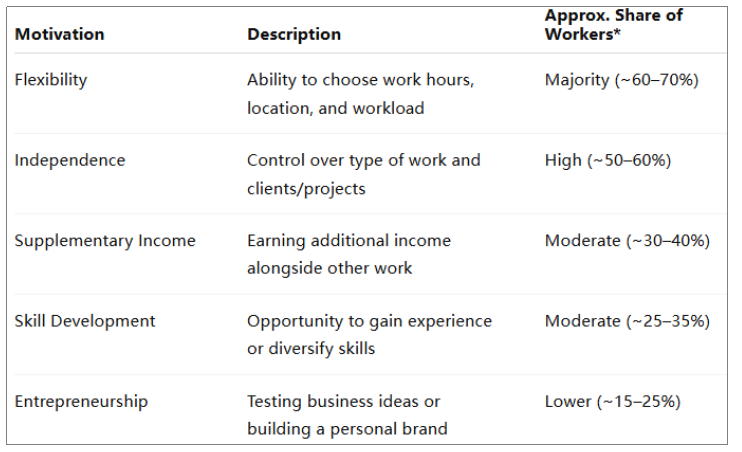
(Table 2- Motivations for Participating in the Gig Economy)
One of the most notable shifts caused by the rise of gig work is the erosion of job stability and the decline of the "job for life" mentality. With traditional jobs, employees would often spend decades with one employer, but the gig economy has fostered a more fluid, transient approach to work. Workers may hold several jobs at once, constantly moving between short-term contracts or freelance opportunities. This dynamic is not only changing the structure of the labor market but is also influencing the way people view their careers. Rather than defining themselves by one profession or employer, gig workers may see their identity as multifaceted, defined by multiple, sometimes unrelated, roles or projects.
The Social Impact of the Gig Economy
While the gig economy has empowered workers in some ways, it has also introduced significant challenges to social cohesion and stability. One of the most concerning aspects is the weakening of traditional social safety nets. In the past, employees could rely on their employer to provide benefits such as health insurance, retirement savings, and paid time off. However, gig workers, as independent contractors, often find themselves without these protections. This shift has left many workers vulnerable to economic hardship, particularly during periods of illness, injury, or economic downturns.
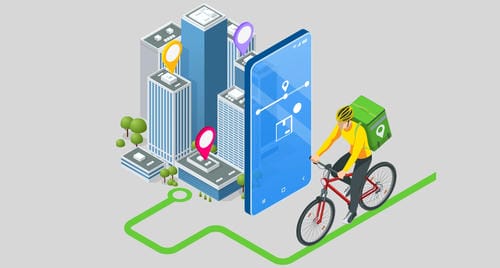
Moreover, the rise of gig work is influencing the nature of social relationships and communities. Traditional workplaces often served as a social hub for workers, where people built friendships and networks that extended beyond work itself. In the gig economy, however, workers often operate in isolation, working from home or in non-traditional spaces. This lack of face-to-face interaction can contribute to feelings of loneliness and disconnection, as workers may miss out on the camaraderie and sense of belonging that comes with a more traditional office environment.
Despite these challenges, the gig economy has also fostered new forms of social interaction. Online platforms have allowed workers to connect across vast distances, creating virtual communities that transcend geographic boundaries. Freelancers, for instance, can collaborate on projects with individuals from different parts of the world, sharing knowledge, resources, and ideas. These digital communities often offer support and camaraderie, albeit in a different form than traditional workspaces.
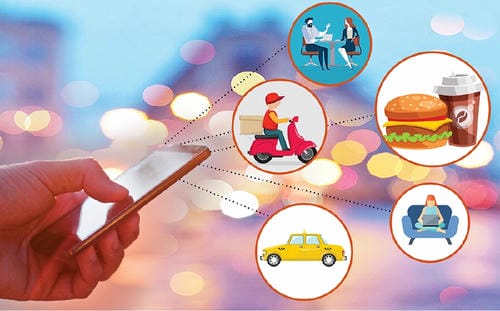
At the societal level, the gig economy is also reshaping how communities and governments address issues such as taxation, labor rights, and public services. As more individuals engage in gig work, questions arise about how to regulate this sector effectively. For example, governments must determine how to ensure gig workers have access to healthcare, unemployment benefits, and other essential services. Additionally, gig workers may be subject to different tax laws, which vary by country and region, leading to complexity and confusion about their financial responsibilities.
In some countries, there has been an attempt to create new labor laws that better account for the realities of gig work. These new policies aim to protect workers without stifling the flexibility that defines gig work. For instance, California’s landmark Assembly Bill 5 (AB5), which was signed into law in 2019, was designed to extend labor protections to gig workers, but it also faced pushback from companies that rely on independent contractors. The debate surrounding AB5 highlights the difficulties governments face in balancing the needs of gig workers with the demands of businesses operating within the gig economy.
Furthermore, the gig economy is contributing to a broader rethinking of social structures. Many of the elements that were once associated with full-time employment—such as job security, retirement savings, and healthcare—are no longer guaranteed. This has led to a rise in individuals seeking alternative ways to secure their futures, such as through entrepreneurship or by investing in personal development. The gig economy encourages workers to take control of their own financial destiny, but this self-reliance comes with its own set of risks.

In addition to economic and policy implications, the gig economy is influencing how individuals view their sense of purpose and success. Traditional career paths often emphasized upward mobility, with clear markers of achievement such as promotions, raises, and titles. In contrast, the gig economy emphasizes different forms of success—like flexibility, personal freedom, and entrepreneurial achievement—allowing individuals to define their careers on their own terms.
The gig economy is also reshaping consumer behavior, as businesses increasingly turn to freelance and contract labor to meet demand. From tech startups to global corporations, companies are embracing flexible, project-based workforces. This shift means that businesses are not only reshaping their labor models but also influencing the very nature of goods and services. As the gig economy grows, it will likely continue to have an outsized impact on industries across the globe, reshaping everything from retail to manufacturing to creative services.
(This article is intended for informational purposes only. It reflects the author’s insights on the gig economy, labor market trends, and social implications, and should not be interpreted as professional, legal, or financial advice.)
About the Author
Marcus Ellison is a labor economist and sociologist specializing in workforce transformation and the future of employment. With extensive research on digital labor platforms and gig economy trends, he advises governments, corporations, and nonprofits on policy, workforce strategy, and socio-economic impact in an increasingly flexible and globalized labor market.
Keep your business edge strong—explore more articles filled with marketing trends, growth tactics, and insights from the field!