How Cross-Market Influencer Marketing Is Shaping Global Branding
January 28, 2026
Cross-market influencer marketing drives global brand growth by blending local cultural understanding with authentic influencer storytelling across platforms.

Estimated Reading Time: 8 minutes ┃Post by Elena Vargas
In the evolving landscape of digital marketing, influencer collaborations have moved past simple product endorsements to become strategic levers for brands seeking meaningful global growth. This shift reflects the broader evolution of the creator economy, where content creators, influencers, and digital personalities are not just amplifiers of brand messages but cultural intermediaries who mediate how audiences perceive, relate to, and ultimately act on those messages. Influencer marketing today sits at the intersection of storytelling, culture, and commerce, and this convergence is especially critical when brands seek to operate across diverse markets with distinct cultural norms and digital behaviors.
Elevating Influencer Marketing Beyond Borders
Cross-market influencer marketing is driven by the principle that a one-size-fits-all strategy rarely succeeds in global contexts. Instead, brands must design frameworks that respect and reflect local cultural nuances while maintaining core brand values. This approach—sometimes described as “glocalization”—ensures that campaigns feel authentic and relevant whether consumers are in Southeast Asia, North America, Europe, or Latin America.
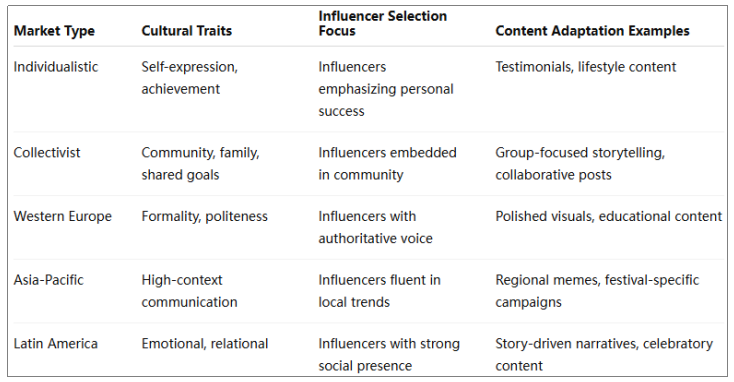
(Table 1- Influencer Strategy Across Cultural Contexts)
At its core, cross-market influencer marketing leverages deep cultural insight to guide influencer selection, content creation, and distribution strategies. Cultural values—such as individualism in Western contexts versus collectivism in parts of Asia—shape the dynamics of message interpretation and consumer engagement. In individualistic markets, audiences may respond more strongly to influencers who emphasize personal achievement and self-expression, while collectivist cultures may be more receptive to narratives centered on community, family, or shared experience.
Platforms themselves also play a significant role in shaping how influencer content is created and consumed. TikTok has risen as a global epicenter of short-form video content, driving trends that transcend national borders, yet its Chinese counterpart, Douyin, reflects unique cultural sensibilities and localized trends that demand distinct creative approaches. Brands operating in both ecosystems must recognize these differences to ensure that influencer partnerships resonate with regional audiences.

A successful cross-market influencer strategy begins with rigorous audience analysis and segmentation. Tools that reveal where followers are actually based—not just where influencers claim their audiences reside—enable marketers to map cultural, linguistic, and behavioral clusters. This data informs everything from message framing to visual style and narrative tone. Brands that understand how local cultures interpret symbols, humor, and aspirational cues are better positioned to foster authentic engagement.
Beyond audience insights, localizing influencer content often means adjusting language, idioms, and visual references. Localization can extend to wardrobe choices, settings, and even pacing of content to reflect local lifestyles and aesthetic preferences. Influencers with deep roots in their communities naturally bring this cultural fluency to their content, making them particularly valuable partners for global brands.
For instance, globally recognized products—such as those in the food, beverage, or beauty sectors—frequently take different creative directions based on regional tastes and cultural festivities. Campaigns that tie product narratives to regional celebrations or everyday cultural practices are more likely to be seen as authentic and less like generic advertising, which in turn drives both engagement and conversion.
Implementation in a Global Framework
When translating strategic vision into execution, brands must balance consistency with flexibility. Unlike traditional mass broadcast advertising, influencer marketing requires iterative experimentation and campaign optimization across channels and cultures. Leading practices emphasize a structured yet adaptable framework that incorporates both global brand objectives and regional execution guidelines.
The first stage is influencer vetting with cultural competence at the forefront. This involves not only assessing follower metrics but evaluating an influencer’s narrative style, past content performance within local cultural contexts, and their alignment with the brand’s message. Cultural alignment ensures that influencers are not merely conduits for exposure but co-creators of meaning.

Once influencers are selected, collaborative content development becomes a critical step. Rather than prescribing rigid scripts, brands are increasingly adopting co-creative approaches where influencers have the latitude to shape how a campaign message is expressed. This respects the influencer’s understanding of audience expectations while ensuring brand values are integrated into authentic stories.
Localization in content also extends to platform considerations. While TikTok drives short, viral clips tailored for rapid consumption, other regional networks—such as Xiaohongshu in China or local video platforms throughout Asia and Latin America—may require different formats and storytelling techniques to achieve optimal impact. Savvy brands build differentiated content strategies that tap into the native creative conventions of each platform.
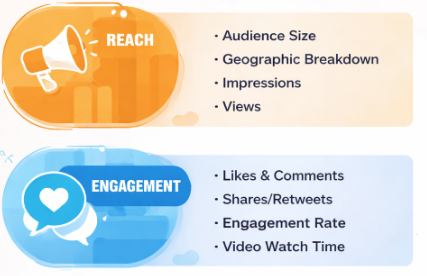
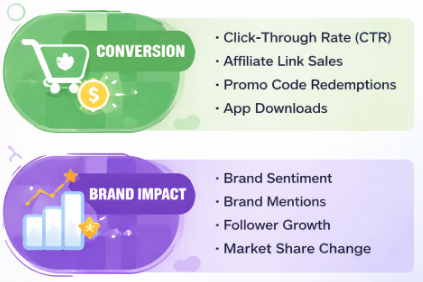
Global measurement frameworks must also adapt to cross-market realities. Brands must define key performance indicators (KPIs) that capture both quantitative and qualitative impact. Metrics such as engagement rates, sentiment analysis, hashtag proliferation, and conversion paths provide immediate insights, while longer-term measures—such as market share growth, brand lift research, and community sentiment—help assess the sustained value of influencer efforts. These multidimensional insights then feedback into continuous strategy refinement.
Diversity in influencer tier also strengthens campaign architecture. Macro-influencers can deliver broad visibility and brand credibility, while micro- and nano-influencers often deliver higher engagement and hyper-targeted reach within niche communities. Allocating budget and creative energy across a mix of influencer tiers enables brands to capture both scale and depth in audience connection, often resulting in measurable business outcomes.
In practice, brands that have embraced this methodology see tangible impact. Campaigns that adapt messaging to local cultural contexts—such as celebratory content tied to regional festivals, value-based storytelling that aligns with local norms, and platform-specific creative formats—frequently show heightened engagement and deeper brand affinity. Consumer response in these markets often transcends simple consumption behaviors, contributing to brand advocacy and organic amplification beyond paid activations.
Ultimately, cross-market influencer marketing is less about homogenizing brand messaging across borders and more about orchestrating a symphony of culturally attuned narratives that harmonize with local audience values while advancing a cohesive global brand identity. When brands strike that balance, influencer marketing transcends transactional interactions and becomes a catalyst for long-term relevance and influence in diverse global markets.
(Economic and marketing strategies discussed may involve risks. Users must assess risk tolerance and perform due diligence before application.)
Updated February 8, 2026
About the Author
Elena Vargas is a global marketing strategist specializing in influencer and digital ecosystem management. With over a decade of experience, she helps brands navigate cross-cultural marketing, co-create authentic content with influencers, and implement data-driven strategies to expand engagement and brand presence in diverse international markets.
References
[1] Optimizing multi-country influencer marketing strategy. (2025). Influencers Time.
[2] Cultural marketing campaigns in Malaysia. (2025). Pongoshare.
[3] The spillover effect between macro- and micro-influencers in a marketing campaign. (2025).ScienceDirect.
[3] Strategies, challenges, and emerging trends for foreign brands in China's influencer marketing. (2025).Jarsking.
The learning doesn’t stop here—explore more posts to stay ahead in marketing, sales, and consumer trends!