Morning Markets and the News That Shapes Your Wallet Before 9 AM
April 10, 2026
Key Points:
● Daily financial news influences consumer and investor behavior before the markets even open.
● Headlines released overnight can set the tone for stock, bond, and commodity prices.
● Early morning news can affect everything from retirement portfolios to grocery bills.
● Staying informed allows individuals to make more strategic decisions in real time.

Estimated Reading Time: 12 minutes ┃Post by Olivia Park
In today’s interconnected financial world, the impact of daily news on your personal finances cannot be overstated. “Morning Markets: How Daily News Shapes Your Wallet Before 9 AM" explores how headlines, economic reports, and geopolitical events released in the early hours influence investment decisions, consumer behavior, and overall market dynamics before many people have even had their first cup of coffee.
Financial markets are highly sensitive to information, and investors often react instantaneously to news, whether it pertains to central bank policies, corporate earnings, or international trade developments. For example, an announcement from the Federal Reserve regarding interest rates may lead to immediate fluctuations in stock and bond markets.
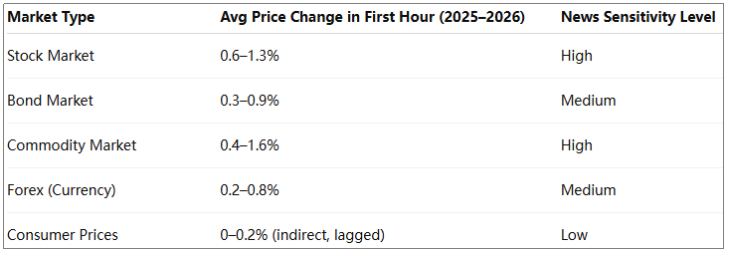
(Table 1- Morning News Impact on Financial Markets)
Similarly, news about a major oil spill or natural disaster can ripple through commodity markets, affecting fuel prices, shipping costs, and even the cost of goods in your local grocery store.
Early morning news cycles are increasingly designed to capture attention and set the agenda for the day. Major financial news outlets often release breaking news, economic data, and market analyses before 9 AM, aiming to influence institutional investors, day traders, and even individual consumers. The result is a market environment that is highly reactive, where sentiment-driven trading can drive short-term volatility.
The psychology behind this phenomenon is rooted in behavioral finance. Investors, faced with an overload of information, often make rapid decisions based on first impressions or headline summaries. This "first news effect" can amplify market movements, leading to price swings that may not always reflect underlying economic fundamentals. Understanding these psychological drivers allows savvy investors and consumers to better navigate daily fluctuations and avoid impulsive decisions.
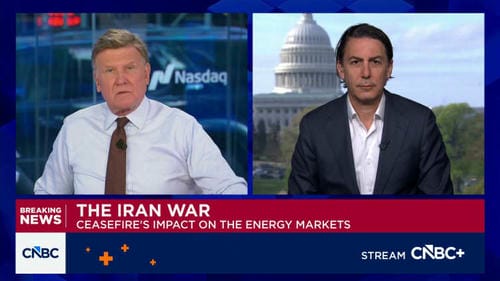
Moreover, the global nature of modern finance means that news from any region can have immediate consequences worldwide. A report about economic instability in Europe, a sudden shift in Asian export figures, or political developments in the Middle East can all influence markets in New York before the opening bell. This interconnectedness underscores the importance of monitoring international developments alongside domestic news.
News-driven market shifts are not limited to financial professionals. Consumers experience the effects directly, often before they are consciously aware of them. For instance, fluctuations in commodity prices influenced by overnight news can affect grocery store pricing, airline ticket costs, and gas station fuel rates. Even mortgage rates and credit card offers can respond to broader economic indicators reported in early morning news releases.

(Table 2- Early Morning News Impact on Consumer Prices)
Technology has accelerated the speed at which news impacts financial decisions. With mobile alerts, financial apps, and 24-hour news coverage, individuals can react to market-moving events in real time. While this provides opportunities for informed decision-making, it also introduces risks. Misinterpretation of news, overreaction to headlines, and reliance on incomplete information can all result in financial missteps.
To mitigate these risks, experts recommend developing a structured approach to news consumption. This includes prioritizing reputable sources, focusing on verified economic indicators, and maintaining a long-term perspective when evaluating short-term market movements. For investors, this might involve balancing portfolio allocations to withstand volatility. For consumers, it may mean timing purchases or reviewing financial commitments in light of potential market-driven price changes.

Education and awareness are key. Understanding how early morning news influences markets empowers individuals to make proactive decisions. Whether adjusting investment strategies, monitoring daily expenses, or planning major purchases, staying informed enables better financial outcomes. By recognizing the connection between news and market behavior, individuals gain an advantage in anticipating trends, minimizing risk, and capitalizing on opportunities.
Ultimately, the influence of daily news on financial markets is a reflection of our broader information-driven economy. In an era where headlines can traverse the globe in seconds, being aware of the morning market’s dynamics is no longer optional—it is essential for anyone seeking to preserve or grow their financial wellbeing. By cultivating a disciplined approach to news consumption and understanding the mechanisms of early market reactions, readers can navigate the complex financial landscape with greater confidence and clarity.
(The content of this article is intended for informational purposes only and does not constitute financial advice. Readers should consult a licensed financial advisor before making investment or financial decisions.)
FQAs:
1. How quickly does morning news affect stock prices?
Reactions can be almost instantaneous, especially for highly liquid stocks and major indices, often occurring within minutes of news release.
2. Can consumers
benefit from tracking early market news?
Yes, understanding overnight market trends can
help anticipate price changes in commodities, retail goods, and services, potentially informing
better purchasing decisions.
3. Are all news
sources equally reliable for market insights?
No, it is crucial to prioritize reputable
financial outlets and verified economic reports to avoid misinformation or exaggerated market
reactions.
About Author
Olivia Park is a financial journalist with over a decade of experience analyzing market trends and economic policy. Her work focuses on connecting macroeconomic events with everyday financial decisions, helping readers make informed choices that impact both investments and personal budgets.
References
[1] Federal Reserve. (2023). Monetary Policy and Economic Outlook. Bloomberg. (2026). Global Market Morning Brief.
[2] Investopedia. (2025). Behavioral Finance: How Psychology Affects Markets.
Stay tuned to this blog for more insights into how financial trends impact your daily life and wallet!