Own Search Demand Through Naming New Marketing Terms
February 12, 2026
Key Points:
● Naming new marketing terms can create entire market categories and ownership of search demand.
● Semantic SEO ensures newly coined terms gain traction by building meaning and context, not just keyword frequency.
● Structured content, semantic keywords, and schema markup reinforce the term’s visibility and relevance.
● Adoption beyond the brand—through influencers, thought leaders, and industry dialogue—amplifies search authority.

Estimated Reading Time: 9 minutes ┃Post by Jordan Lee
In today’s digital-first landscape, marketers are increasingly recognizing that the words we use shape not just perception, but search visibility and demand itself. Naming a previously unnamed concept or category is not merely creative expression—it’s a strategic act of market creation. One of the core principles behind this approach is category design: the intentional invention and cultivation of a new market category, rather than competing within an existing one. Category design encourages brands to define a unique space that reflects unmet needs or repositions how problems are understood, enabling them to claim leadership within that space when adoption takes hold.
Understanding Category Creation and Semantic SEO in Marketing
Semantic SEO, a complementary discipline within search strategy, helps these newly coined terms gain traction by optimizing content for meaning, context, and topic relationships rather than isolated keywords. Search engines have evolved far beyond simple keyword matching; they now interpret context and semantic relationships between entities to better understand user intent and content relevance. Combining semantic SEO with innovative naming allows brands not only to promote a concept, but to embed that concept deeply in how audiences search for and discover information online.
The significance of naming in category creation extends beyond linguistic novelty. Words function as the labels that both humans and algorithms use to organize knowledge and solve problems. In practical marketing terms, a new category term must eventually become part of the common vocabulary among buyers, influencers, and search engines alike. When that happens, search engines begin to correlate that term with particular user intents and queries, creating the conditions for sustained visibility in search results. This is why leading marketers invest in naming with strategic intent: choosing a term that is intuitive, descriptive, and evocative can influence search patterns and help a brand command ownership of demand as it grows.
At the intersection of category naming and semantic SEO is the idea that search engines increasingly understand not just words, but relationships between concepts, or entities.
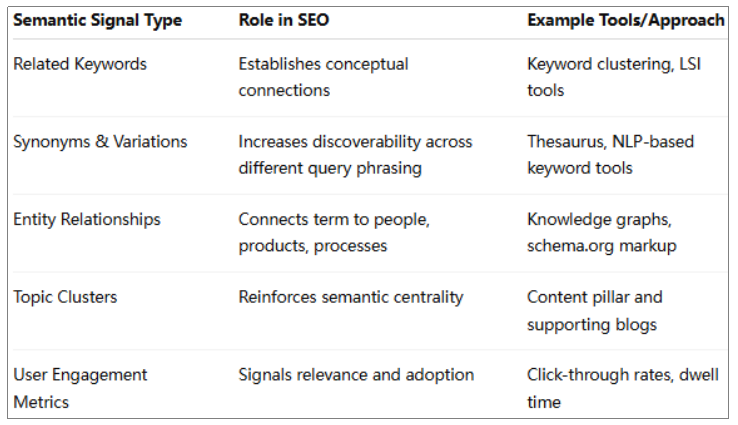
(Table 1- Semantic Signals Supporting Term Discovery)
Semantic SEO encourages content creators to map out topic clusters—comprehensive bodies of content that surround a central theme with related subtopics and semantically linked terms. This strategy both informs search engine models of how various terms relate and builds contextual authority for the brand’s content. A coined term that finds its way into a well-structured semantic ecosystem can attain prominence not by repeated use alone, but by virtue of being semantically central to a coherent topic network.
The core of semantic SEO is the idea that content should reflect meaning, not merely match search queries. Instead of focusing on exact keywords, marketers organize content around entities—distinct concepts such as people, products, processes, or ideas—and articulate how they interconnect. Search engines increasingly use natural language processing and entity graphs to determine relevance and intent, meaning that well-named concepts woven into semantically rich content are far more likely to be understood and surfaced by search algorithms. Because of this, the act of naming—far from arbitrary—must align with how both users and machines conceptualize problems and solutions.
How to Coin Terms for Maximum Search Impact
When marketers embark on naming a new concept or category, the process should be grounded in research and deliberate strategy. The first step is understanding the problem space: what need or opportunity has not yet been fully defined in the marketplace? This involves analyzing user language, competitive positioning, and gaps in existing conceptual frameworks. It also requires marketers to think like search engines, anticipating how audiences search for related concepts and what linguistic patterns they use. This anticipatory approach is foundational to both category creation and semantic optimization.

A successful new term must meet several criteria. First, it should be easily understood by the target audience; technical obscurity or excessive novelty can hinder adoption. Second, it needs to differentiate the concept sufficiently from existing terms so that it stands out as a meaningful category. Third, it should be applicable across a range of contexts so that search engines can link it to various related search intents. Linguistic testing—in the form of keyword research, search trend analysis, and user interviews—can help validate whether a proposed term resonates and aligns with existing search behavior.
Once a term is established, the process of embedding it into the semantic search landscape begins with content strategy. Marketers must create and publish content that not only defines and explains the term, but also contextualizes it within relevant problem domains. This involves crafting pillar content that clearly articulates the concept and supporting pieces that expand on its attributes, use cases, related challenges, and benefits. This content network acts as a semantic scaffold: each piece reinforces the meaning of the coined term while linking it to related entities and topics, helping search engines build a conceptual model that aligns with real user queries.

Integration of semantic keywords—terms that are conceptually related to the coinage—is vital in this phase. These related terms function as semantic signals to search algorithms, indicating that a given piece of content is not just superficially mentioning a concept, but deeply engaged with its broader topic network. In practice, this means identifying synonyms, associated ideas, and indirect descriptors that enrich the contextual fabric surrounding the new term. Tools that surface semantic keyword opportunities can help marketers identify which related terms will best support the concept’s search visibility.
Structured data, or schema markup, plays a supporting role in helping search engines interpret the newly coined term and its relationship to other entities. By applying schema to content that defines the new category, marketers can explicitly communicate to crawlers what the content is about—whether a term refers to a concept, a product type, a methodology, or a service. This reduces ambiguity in interpretation and allows search technologies to more accurately associate the term with relevant queries. While structured data does not guarantee ranking improvements, it enhances the likelihood that search systems will correctly understand the term’s semantic role.

The process of coining and embedding a term is iterative. As the term gains traction—measured through search demand, user engagement, and usage in conversations—marketers must monitor how audiences search for and engage with content around the term. Search analytics and trend tools provide insight into whether the term is entering common usage and whether the associated semantic network is strengthening. These insights can inform content adjustments to capture emerging queries or address misunderstandings. Naming and semantic positioning are not one-off activities; they require ongoing optimization aligned with how search intent evolves.
For coined marketing terms to take hold, they must also be adopted beyond the originating brand. External validation—through thought leadership, industry events, influencer usage, and cross-industry dialogue—amplifies the term’s reach and credibility. Once other authoritative sources begin using the term in their content, search engines are more likely to interpret it as a recognized concept with established semantic relationships. This network effect can accelerate search visibility and deepen the conceptual footprint of the category, making the brand’s investment in naming pay dividends in both discoverability and authority.
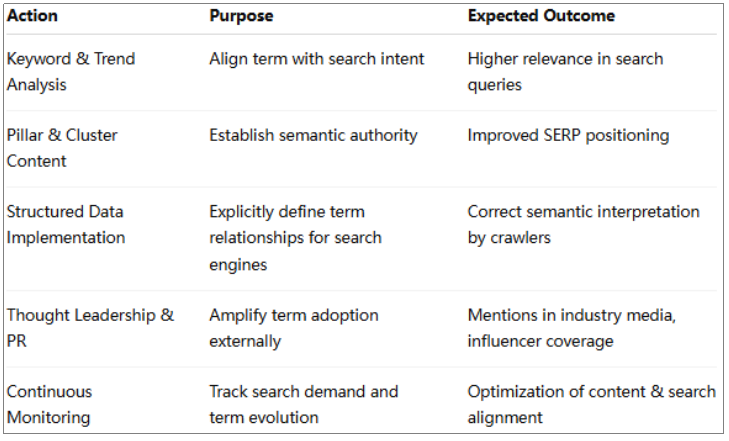
(Table 2- Marketing Actions and Outcomes for Term Adoption)
In practice, owning search demand through category naming and semantic SEO requires a synthesis of linguistic creativity, data-informed planning, and content strategy execution. Marketers who approach this process with discipline—mapping user language, structuring semantic content networks, and iterating based on search behavior—can transform an initially unfamiliar term into a widely recognized concept that drives search traffic and shapes industry discourse.
(All content is intended for personal and non‑commercial use only unless expressly stated otherwise. Any reproduction or distribution without permission is prohibited.)
Updated March23, 2026
FQAs:
1. What is semantic SEO and how does it relate to naming?
Semantic SEO focuses on optimizing content around meaning, context, and relationships between concepts, not just individual keywords. When marketers coin a new term, semantic SEO ensures that search engines understand the concept, its relevance, and its connections to related ideas. This makes the term more discoverable and authoritative in search results.
2. How should marketers approach coining a term?
The process should be research-driven:
● Identify gaps or unmet needs in the market.
● Analyze user language, search patterns, and competitor terms.
● Test potential terms with keyword research, search trends, and audience feedback.
● Ensure the term is clear, memorable, and applicable across contexts.
3. What role do structured data and schema play?
Structured data helps search engines understand that a term represents a concept, product type, methodology, or service. While it doesn’t guarantee rankings, schema reduces ambiguity, enhancing the likelihood that search engines correctly associate the term with relevant queries.
About the Author
Jordan Lee is a digital marketing strategist and search optimization expert with over a decade of experience in semantic SEO and category design. They specialize in helping brands coin, position, and embed new marketing terms into digital ecosystems to drive search visibility, consumer engagement, and thought-leadership authority. Jordan frequently consults on content architecture, trend analysis, and strategic naming for global marketing campaigns.
Inspired by this post? Discover even more guides, strategies, and expert tips to sharpen your marketing approach!
Recommended for you: