Daily Delivery Boom and Its Impact on Local Markets
April 10, 2026
Key Points:
● Meal kit services and local couriers are reshaping how consumers access fresh food.
● The rise of on-demand delivery has created new economic opportunities for small businesses.
● Local markets are adjusting to increased demand for convenience and variety.
● Technology-driven logistics are driving efficiencies and reducing food waste.
● The daily delivery boom influences pricing, employment, and consumer behavior in urban and suburban areas.
Estimated Reading Time: 8 minutes ┃Post by: Riley Carson
The past decade has witnessed a transformation in how people obtain food, with e-commerce and delivery services at the forefront of this shift. Meal kits, grocery delivery apps, and local courier services have grown from niche offerings into mainstream convenience options, altering the economic landscape for both consumers and businesses. As urban lifestyles become busier and consumers prioritize convenience, these services are no longer a luxury—they are a daily expectation.
The Rise of Meal Kits
Meal kit services, such as Blue Apron and HelloFresh, initially positioned themselves as premium, niche offerings for food enthusiasts seeking convenience without compromising on quality. Today, however, their reach has expanded significantly.
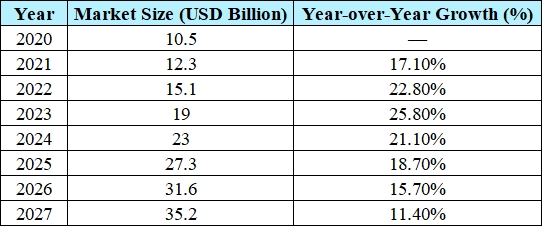
(Table 1- Growth of Meal Kit Market (Global Revenue 2020-027))
According to recent industry reports, the global meal kit market is expected to exceed $35 billion by 2027, driven by urban households, dual-income families, and younger consumers seeking time-saving solutions.
The economic implications are significant. Meal kit companies have disrupted traditional grocery shopping patterns, siphoning some demand away from supermarkets while simultaneously creating partnerships with local farms, specialty producers, and suppliers. This shift has strengthened regional supply chains, ensuring that smaller food producers can access wider markets through digital platforms.
Local Couriers and On-Demand Delivery
Parallel to meal kits, courier and delivery services are scaling rapidly. Companies like DoorDash, Uber Eats, and local equivalents are becoming economic engines in themselves. These services employ thousands of drivers, often under flexible gig-economy arrangements, which has implications for both income distribution and employment patterns.
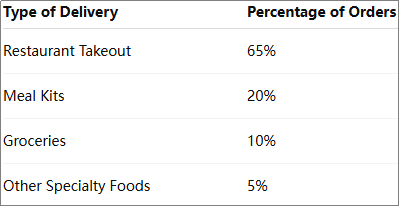
(Table 2- Share of Food Delivery Orders by Type 2025)
Local restaurants and grocery stores now rely on these platforms to reach customers who might not otherwise visit their physical locations. This expansion of access contributes to increased revenue for small businesses but also introduces competitive pressures, as businesses must balance delivery fees and margins to remain profitable.
Changing Consumer Behavior
Convenience drives consumer behavior in today’s economy. Urban and suburban shoppers increasingly value time-saving options over traditional in-store experiences. This shift has implications beyond individual households; it affects how businesses allocate resources, stock inventory, and plan marketing strategies.
Meal kit subscriptions encourage experimentation with new cuisines and ingredients, influencing food trends and culinary culture. Meanwhile, instant delivery options have elevated expectations around service speed, presentation, and reliability, setting higher standards for all players in the food industry.

Economic Ripple Effects
The boom in daily deliveries also creates wider economic effects. First, employment opportunities increase in sectors that support delivery, from logistics to warehousing. Second, technology investments—routing software, mobile applications, and predictive inventory systems—stimulate innovation and productivity. Third, local markets are becoming more resilient; by connecting regional producers directly with consumers, delivery services reduce dependency on centralized supply chains, mitigating risks from disruptions such as weather events or transportation bottlenecks.
Moreover, pricing dynamics are shifting. The convenience premium associated with delivery services affects how consumers perceive value. While some segments of the population are willing to pay more for faster service, others seek cost-saving alternatives, which encourages a diverse array of service tiers and market differentiation.
Despite the benefits, the daily delivery boom also presents challenges. Environmental sustainability is a key concern, as increased packaging and transport emissions accompany higher delivery volumes. Companies are experimenting with recyclable materials, reusable packaging, and optimized delivery routes to mitigate environmental impact.
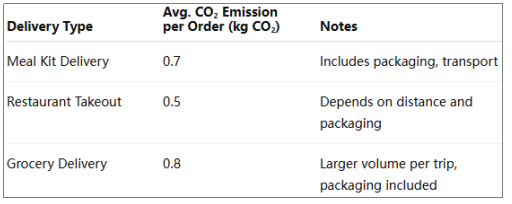
(Table 3- Environmental Impact of Food Delivery (Estimated CO" Emissions per Delivery))
Labor dynamics represent another challenge. Gig economy employment offers flexibility but often lacks benefits and security. Policymakers and industry leaders are now discussing standards for fair wages, insurance coverage, and worker protections to ensure that the delivery economy remains equitable and sustainable.
As meal kits and courier services continue to evolve, local markets will adapt in turn. Businesses that leverage data analytics to understand consumer preferences, optimize delivery logistics, and create sustainable practices are likely to thrive. For consumers, the result is greater choice, convenience, and engagement with local producers and markets.
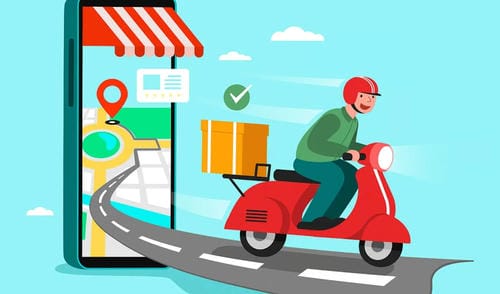
The convergence of e-commerce, technology, and food trends illustrates how digital innovation can reshape everyday economic activity. It is not merely a question of convenience—it is a structural shift in the local economy, influencing employment, production, consumption, and even urban planning.
In the coming years, we can expect these services to become even more integrated into daily life, driving a dynamic, interconnected, and digitally mediated local economy.
(This content is not intended as financial or investment advice. Readers should conduct their own research before making decisions based on the insights presented.)
FQAs:
1: Are meal kits more
expensive than traditional grocery shopping?
On a per-meal basis, meal kits can cost more due
to convenience, pre-portioned ingredients, and premium sourcing. However, they can reduce food
waste and save time, which may offset higher costs for some households.
2: How do local
couriers impact small businesses?
Couriers expand customer reach, enable online
sales, and provide flexible fulfillment options. However, businesses must manage delivery fees
and operational costs to maintain profitability.
3: Are delivery
services sustainable for the environment?
Sustainability depends on packaging,
transportation methods, and delivery optimization. Many companies are exploring eco-friendly
packaging and route efficiency to reduce environmental impact.
About Author
Riley Carson is an economic analyst and food industry consultant with over a decade of experience studying e-commerce, logistics, and consumer trends. Riley specializes in connecting emerging technology with market dynamics, helping businesses navigate the evolving digital economy.
References
[1] Blue Apron.
(2026). Annual report and market insights.
[2] Grand View
Research. (2025). Meal kit delivery services market size report.
[3] Statista. (2025). Food delivery apps
and revenue statistics.
Explore more insights on the economic impact of everyday trends and innovations by staying on our blog and discovering related posts!