AI Narrative Architects Transform Global Brand Storytelling
March 29, 2026
In this Article:
● Generative AI enables scalable, personalized storytelling across global audiences.
● AI narrative architects blend human creativity with algorithmic intelligence to ensure cultural resonance.
● Hyper-personalization extends from individual customers to multilingual and multicultural audiences.
● Ethical considerations, bias mitigation, and human oversight remain critical in AI-generated narratives.
● AI-driven narrative supports iterative, data-informed marketing strategies, maintaining brand consistency across channels while enhancing emotional engagement.

Estimated Reading Time: 10 minutes ┃Post by Amina Morgan
The Evolution of Storytelling in the Age of Generative AI
In the past decade, the landscape of content creation and brand communication has undergone a dramatic transformation. What once belonged exclusively to human writers and creative teams is now shared with a new kind of collaborator—generative artificial intelligence (AI). Marketers and brands are increasingly turning to AI to craft narratives that feel personal, emotionally resonant, and culturally attuned at unprecedented scale. This shift is not merely about automation; it is about a fundamental rethinking of how stories are conceived, tailored, and delivered to diverse global audiences.
Generative AI has matured beyond simple template-based text generation. Advanced models such as GPT-4 and its successors are capable of producing narrative content that incorporates language, tone, imagery, and context in ways that closely mirror human storytelling. According to research in marketing science, generative AI will significantly influence how marketers interact and communicate with customers, helping create and deliver marketing content across media formats and customer touchpoints. The narrative is no longer generic or static; it can be personalized for individuals or specific cultural segments, allowing brands to deliver unique experiences for varied audiences.
Traditional content creation was hindered by the limits of human bandwidth—creative teams simply could not scale their output to match the demands of global markets, diverse demographic segments, or real-time responsiveness. Generative AI changes this dynamic by enabling automated or semi-automated creation of custom narratives that reflect individual preferences, brand voice, and cultural nuances. As a result, marketers can produce adaptive storytelling that dynamically shifts according to user data, channel demands, and performance feedback. The result: content strategies that are both more efficient and deeply relevant.

However, the adoption of AI in narrative creation also raises complex challenges. AI models are trained on vast corpora of existing text, a process that can inadvertently embed cultural biases and dominant narrative structures from major linguistic sources. Recent research has shown that AI-generated stories may favor stability and predictable tropes—such as reconciliation and tradition—over more dynamic or conflict-driven narratives, revealing a type of narrative homogenization that could undermine authentic cultural expressions. This underscores a crucial tension between scalable storytelling and cultural specificity, demanding careful consideration from marketers who wish to preserve diversity and authenticity in their brand narratives.
AI Narrative Architects: Crafting Personal and Cultural Resonance
At the heart of this transformation are what industry practitioners increasingly call “AI narrative architects”—professionals and systems that blend human creativity with algorithmic intelligence to design stories that resonate across cultures and at scale. These architects do not simply feed data into an AI model and publish the output; they work with design frameworks, ethical guidelines, and narrative principles to ensure that AI-generated content aligns with both brand values and cultural contexts.
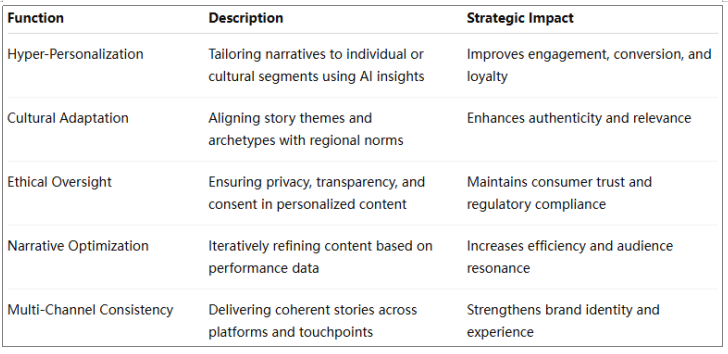
(Table 1- Key Functions of AI Narrative Architects)
One essential capability of AI narrative architects is hyper-personalization. Modern generative models can analyze vast amounts of customer data—behavioral patterns, purchase history, demographic insights—and generate narratives tailored to individual experiences. These personalized narratives go far beyond inserting a customer’s name into a template; they reflect preferences, local idioms, emotive triggers, and even narrative pacing optimized for engagement. Research in marketing analytics suggests that such personalized storytelling correlates with increased emotional connection, improved conversion rates, and stronger customer loyalty, as narratives align more closely with individual motivations and cultural expectations.
This personalization extends beyond individual customers to encompass cultural segments and multilingual audiences. Brands that operate in global markets must navigate language differences, cultural symbols, and varying narrative expectations. Generative AI’s capacity to produce multilingual content with cultural awareness dramatically reduces the cost and time required for localization. Moreover, AI can assist in identifying culturally relevant themes and narrative archetypes, enabling marketers to tailor stories in ways that resonate authentically with regional audiences.

But personalization at scale presents challenges. The very mechanisms that enable generative AI to scale narratives can also generate content that inadvertently reinforces stereotypes or dominant cultural frames. AI narrative architects therefore deploy methodologies informed by cultural studies and humanistic research—such as narrative archetype analysis—to continuously refine prompts, training data, and output evaluation. Projects like AI STORIES, which investigate narrative archetypes and AI output, highlight the importance of understanding how underlying cultural structures shape AI narratives and how those narratives may differ from local storytelling traditions.
The role of AI narrative architects also involves an ethical dimension. Personalized storytelling, while powerful, raises questions about data usage, privacy, and the boundaries between persuasion and manipulation. As marketing organizations adopt predictive storytelling journeys, they must balance deep personalization with respect for user autonomy and consent. Frameworks for ethical AI use and transparent narrative practices are emerging, emphasizing that human oversight and intentional design remain essential even as AI drives efficiency and scale.
The Strategic Impact of AI-Driven Narrative on Brand Engagement
The incorporation of generative AI into narrative design is reshaping marketing strategy at the highest level. Rather than treating storytelling as a static exercise in branding, organizations now view narrative as a dynamic, data-informed strategy that evolves in tandem with customer interactions. AI narrative architects play a strategic role by bridging creative vision with analytical insights, enabling brands to continuously optimize narratives based on real-time performance metrics.
One of the most notable impacts of AI-driven narrative is its capacity to create coherent brand stories across multiple channels and touchpoints. Customers increasingly encounter brands across digital platforms—websites, social media, email, mobile apps, and virtual environments. Generative AI helps ensure that each of these touchpoints reflects a consistent narrative voice that adjusts subtly to contextual cues. This continuity enriches the customer journey, reinforcing brand identity while adapting message nuances for specific interactions.
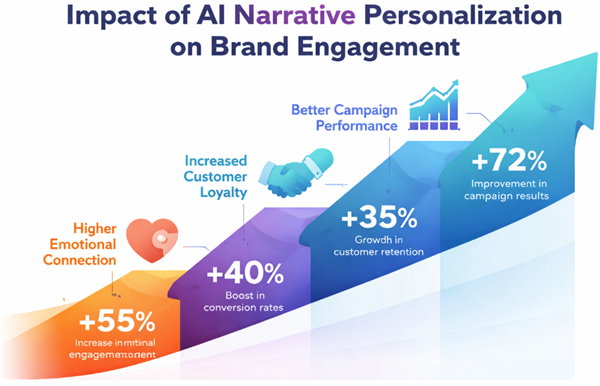
(Table 2- Impact of AI Narrative Personalization on Brand Engagement)
Moreover, AI-driven narratives can significantly enhance emotional engagement. Effective storytelling is rooted in the ability to evoke emotions, establish relatable characters, and articulate shared values. Generative AI achieves this by synthesizing data about audience preferences and cultural contexts to craft narratives that feel relevant, empathetic, and memorable. Marketing research places emotional connection as a key driver of consumer decisions, and AI-enabled personalized narratives strengthen that connection by meeting audiences where they are.
Generative AI also empowers marketers to experiment with narrative variations at scale. Instead of committing to one version of a story or campaign, AI systems can generate multiple narrative iterations, test them with segmented audiences, and analyze engagement outcomes. This iterative approach mirrors principles of agile marketing and enables continuous refinement of narrative strategy. Marketers can identify which themes, tones, and cultural markers perform best in specific contexts, refining future storytelling efforts based on empirical evidence.

At the same time, the strategic use of generative AI requires vigilance against homogenization risks. If models are left to generate narratives based solely on broad training data, they may default to familiar tropes and universal plot structures that do not reflect the richness of diverse cultural narratives. This can undermine a brand’s authenticity, especially in markets where storytelling traditions differ significantly from mainstream norms. To counteract this, AI narrative architects must continually curate training datasets, customize prompt engineering strategies, and incorporate insights from cultural experts to maintain narrative diversity and relevance.
In summary, the rise of AI narrative architects and generative AI in marketing represents a paradigm shift—not a temporary trend. By enabling personalized storytelling at scale, these systems allow brands to engage audiences with narratives that are not only timely and relevant but also attuned to cultural nuances. Success in this landscape depends on a strategic blend of data-driven insight, cultural intelligence, creative direction, and ethical stewardship, ensuring that AI-generated narratives enhance engagement without compromising authenticity or diversity.
(Economic and marketing strategies discussed may involve risks. Users must assess risk tolerance and perform due diligence before application.)
Updated April 8, 2026
About the Author
Amina Morgan is a marketing strategist and AI innovation consultant specializing in generative AI applications for global content creation. With experience advising Fortune 500 brands, Jordan focuses on blending technology, cultural insight, and ethical best practices to create narratives that resonate at scale while maintaining authenticity and audience trust.
References
[1] SpringerLink. (2024). How generative AI Is shaping the future of marketing. Journal of Marketing, Volume(Issue), pages.
[2] University of Bergen. (2024). AI stories.
[3] Blockchain Council. (2025). AI in shaping cultural narratives.
Curious for more? Our blog has plenty of marketing insights, actionable strategies, and industry stories to explore!