Why Well-Being is the New Measure of Economic Health?
March 17, 2026
Key Points:
● GDP measures economic output but does not capture the overall well-being of citizens, such as health, happiness, or social cohesion.
● GDP can mask inequality, environmental degradation, and other factors that affect quality of life.
● Countries like New Zealand and EU nations are incorporating well-being metrics into policy-making to create a more holistic approach to prosperity.
● Well-being metrics include mental health, social connectedness, housing, life satisfaction, and environmental sustainability.

Estimated Reading Time: 8 minutes ┃Post by Samuel Ortega
Governments across the world have long focused on Gross Domestic Product (GDP) as the primary measure of a country's economic success. For decades, policymakers have relied on GDP as an indicator of national prosperity, assuming that a growing economy naturally leads to improved standards of living. However, this traditional measure has come under scrutiny in recent years, with critics arguing that it fails to capture a fuller picture of what makes a society truly prosperous. As a result, more and more governments are turning to well-being metrics as an alternative way to assess their citizens' quality of life.
This shift towards measuring well-being reflects a growing recognition that economic prosperity is not just about numbers or financial growth but about the happiness, health, and overall satisfaction of a nation's population.
The Shortcomings of GDP as a Measure of Prosperity
The conventional use of GDP as a measure of economic success is grounded in the assumption that a country’s economic growth equates to better living standards for its people. GDP tracks the total value of goods and services produced within a country over a given period, providing a snapshot of economic activity. However, it has long been criticized for its inability to reflect the well-being of a nation's population in a comprehensive manner.
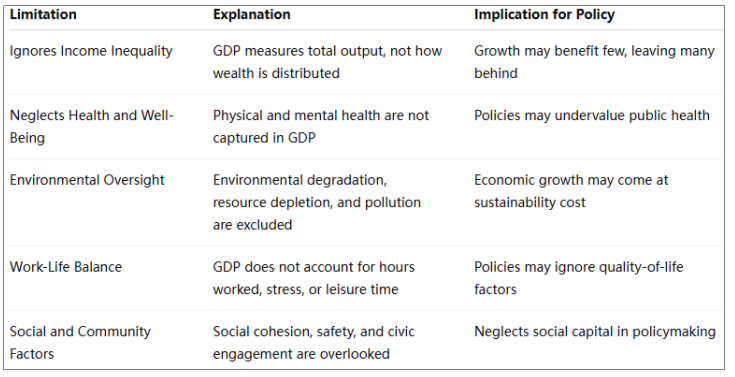
(Table 1- Limitations of GDP as a Measure of Prosperity)
One of the main criticisms of GDP is that it does not account for income inequality. A country could experience robust economic growth while the wealth generated from that growth is disproportionately distributed among the rich, leaving large segments of the population struggling to make ends meet. In such cases, the well-being of the majority of citizens may not improve despite a rising GDP. For instance, the US has seen steady GDP growth in recent years, but this growth has largely benefited the wealthiest 1%, leaving the average American facing stagnant wages and rising living costs.
Additionally, GDP fails to consider other important factors that contribute to people's overall well-being, such as environmental sustainability, mental health, and work-life balance. The relentless pursuit of economic growth, as measured by GDP, can often come at the expense of these factors, leading to environmental degradation, burnout, and a decline in quality of life. The global environmental crisis, for instance, is largely invisible in GDP calculations, even though pollution, resource depletion, and climate change significantly impact people's health and future prosperity.

In light of these shortcomings, there has been growing interest in alternative measures that can better capture the well-being of citizens. These measures take a more holistic approach, focusing not just on material wealth but also on health, happiness, social relationships, and environmental factors. As a result, governments around the world are increasingly looking at well-being as a more accurate reflection of their country's success.
The Rise of Well-Being Metrics: A New Approach to Policy
In recent years, a number of countries have begun to integrate well-being indicators into their policy-making processes. These indicators aim to provide a more comprehensive understanding of a nation's overall prosperity by considering a broader range of factors that contribute to the happiness and satisfaction of its citizens.
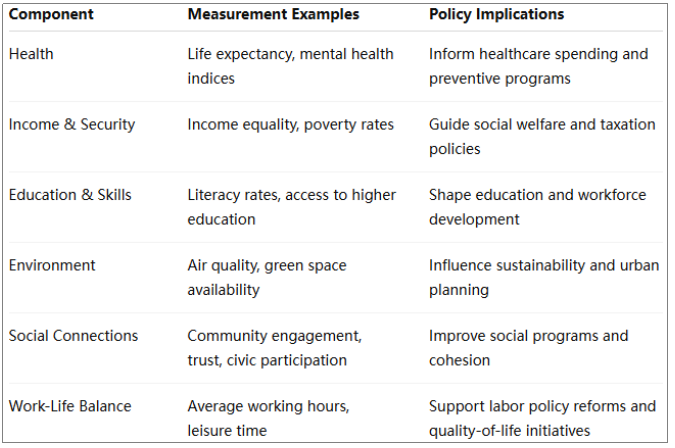
(Table 2- Key Components of Well-Being Metrics)
One of the pioneers in this shift is New Zealand, which in 2019 became the first country to introduce a "well-being budget." This innovative approach allocates government spending based not just on economic growth but also on factors like mental health, child poverty, and housing affordability. The well-being budget places a strong emphasis on improving the quality of life for all citizens, particularly those who are most disadvantaged, and aims to create a more equitable and sustainable society. The government of New Zealand recognizes that a thriving society is not just about economic success but about ensuring that all citizens have the opportunity to live fulfilling lives.
The idea of using well-being metrics in policymaking has also gained traction in the European Union, which has supported initiatives like the "Beyond GDP" project. This project aims to develop new indicators that measure people's well-being and the sustainability of economic growth. Many EU countries, such as the United Kingdom, France, and Germany, have also started incorporating well-being indicators into their national statistics, with an emphasis on areas like life satisfaction, work-life balance, and environmental quality.

At the global level, the United Nations has been promoting well-being as part of its Sustainable Development Goals (SDGs), which include objectives such as reducing poverty, ensuring good health and well-being, and fostering peaceful and inclusive societies. These goals align with the growing recognition that sustainable prosperity requires more than just economic growth; it requires addressing the social, environmental, and personal dimensions of well-being.
The shift toward well-being metrics is also being driven by the growing importance of public opinion and citizens' demands for better quality of life. As societies become more interconnected through social media and other forms of communication, people are increasingly aware of the disparities in wealth, access to healthcare, and environmental conditions. This has led to a greater demand for governments to measure and prioritize well-being, not just economic output.
Incorporating well-being metrics into policy-making can help governments identify areas where interventions are most needed. For example, a focus on mental health and social connectedness may highlight gaps in healthcare access or the need for more supportive community services. By measuring well-being, policymakers can better allocate resources to areas that directly impact people's happiness and satisfaction, leading to more effective and inclusive policies.
The Challenges of Measuring Well-Being
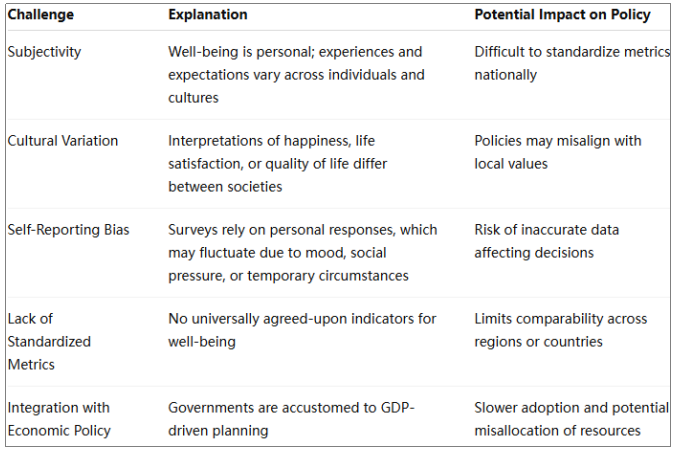
(Table 3- Challenges in Measuring Well-Being)
While the shift toward well-being metrics represents a promising change in how governments evaluate prosperity, there are several challenges to fully integrating well-being into policy-making.
First, measuring well-being is inherently subjective. People's perceptions of their own well-being are influenced by a range of personal, cultural, and societal factors. What constitutes well-being for one person may differ significantly from what it means for another. This makes it difficult to develop standardized measures that accurately reflect the diverse experiences of a population. Many well-being indicators, such as life satisfaction or happiness, rely on self-reported data, which can be biased or influenced by external factors like temporary moods or social pressures.

Second, the integration of well-being metrics into policy-making requires a fundamental shift in how governments approach economic development. Policymakers are used to focusing on GDP and other traditional economic indicators, and it can be difficult to adjust to a new set of priorities. For instance, while well-being indicators may call for increased spending on mental health services or environmental sustainability, these initiatives may not have the immediate economic returns that policymakers are accustomed to seeing from infrastructure projects or tax cuts.
Another challenge is the lack of consistent data across countries. While countries like New Zealand and the UK have made significant strides in developing well-being indicators, many nations still lack reliable and comprehensive data on factors such as mental health, social connections, and environmental quality. Collecting and analyzing this data can be resource-intensive, requiring significant investment in new infrastructure and research. Without consistent and accurate data, it can be difficult to track progress and identify areas for improvement.

Finally, there is the challenge of balancing economic growth with the goal of improving well-being. While it is clear that well-being should be a priority for governments, there is still a need for economic growth to provide the resources necessary to fund public services and infrastructure. Achieving a balance between these two goals is a complex task that requires careful planning and long-term vision.
Despite these challenges, the movement toward well-being metrics is gaining momentum. As governments continue to explore new ways to measure and improve the well-being of their citizens, it is clear that the traditional focus on economic growth alone is no longer sufficient. By adopting well-being metrics, policymakers can create a more holistic and sustainable approach to prosperity, one that considers not just the financial health of a nation but the happiness and satisfaction of its people.
(Economic and marketing strategies discussed may involve risks. Users must assess risk tolerance and perform due diligence before application.)
Updated April 5, 2026
FQAs:
1. Why is GDP no longer sufficient as a measure of prosperity?
GDP measures the total economic output of a country but does not account for income inequality, mental health, work-life balance, environmental sustainability, or overall life satisfaction. Economic growth does not automatically translate into improved well-being for all citizens.
2. What are well-being metrics, and why are they important?
Well-being metrics assess quality of life by including health, happiness, social relationships, environmental factors, and equitable access to resources. They provide a more holistic understanding of prosperity than GDP alone, helping governments target policies that improve citizens" lives.
3. What is the long-term benefit of focusing on well-being?
Prioritizing well-being leads to more equitable and sustainable societies. It encourages investments in health, education, social cohesion, and environmental sustainability, creating a prosperous society in both economic and human terms.
About the Author
Dr. Samuel Ortega is an economist and public policy researcher specializing in alternative measures of national prosperity. He advises governments and international organizations on integrating well-being indicators into policymaking, focusing on sustainable development, social equity, and evidence-based governance.
References
[1] OECD. Measuring well-being and progress.
[2] Econinja. Alternative measures for wellbeing.
[3] Wikipedia contributors. Gross National Happiness.
The learning doesn’t stop here—explore more posts to stay ahead in marketing, sales, and consumer trends!