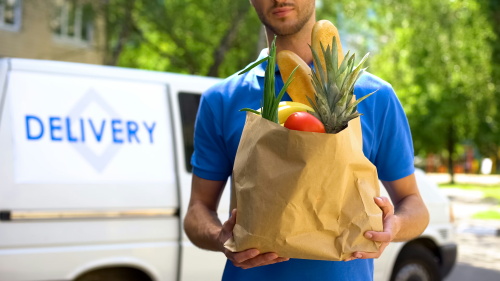
Why Grocery Prices Jump Before Holidays?
April 9, 2026
In this Aeticle:
● Grocery prices often rise in the weeks leading up to major holidays.
● Supply chain pressures and increased consumer demand drive these price spikes.
● Retailers strategically adjust pricing to manage inventory and maximize profits.
● Seasonal and perishable items are most affected by these changes.
Estimated Reading Time: 8 minutes ┃Post by Jordan Whitmore
As the calendar approaches major holidays, shoppers often notice a familiar trend: grocery prices seem to climb almost overnight. From the turkey and ham at Thanksgiving to the chocolates and sparkling wines during Christmas, the phenomenon of holiday price spikes is not a mere coincidence. Understanding why grocery stores increase prices before holidays requires an exploration of the interplay between supply chain dynamics, consumer behavior, and strategic retail management.
Supply and Demand: The Core Driver
At the heart of grocery store pricing lies the economic principle of supply and demand. During holiday seasons, consumer demand for certain products surges. Families plan festive meals, host gatherings, and purchase specialty items, creating temporary spikes in purchasing patterns. Grocery stores anticipate this increase and adjust prices accordingly.
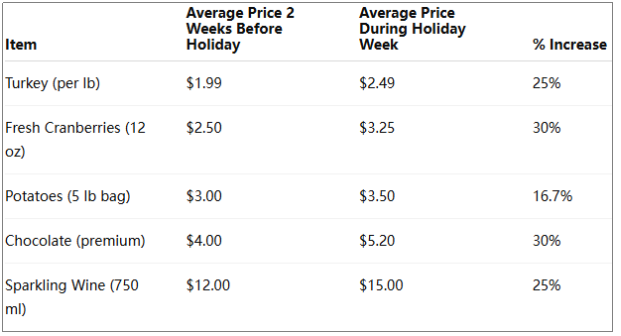
(Table 1- Average Price Increase of Common Grocery Items Before Holidays)
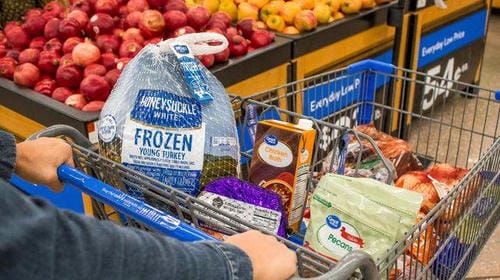
For example, in the weeks leading up to Thanksgiving, the demand for turkeys can increase dramatically. Suppliers often have limited inventory that must meet this surge in consumption. As the demand curve shifts to the right, prices naturally rise. While it may feel abrupt to the consumer, this price movement reflects the underlying scarcity of goods relative to consumer desire.
Strategic Pricing by Retailers
Retailers are not passive participants in these price fluctuations; they actively manage pricing to achieve several objectives. First, higher prices before holidays help cover the additional operational costs associated with stocking large volumes of perishable goods. Transportation costs, refrigeration, and labor hours all increase as stores prepare for a busy season.
Second, retailers strategically manage inventory. By adjusting prices, they can modulate demand, reducing the risk of overstocking items that could spoil quickly. In essence, these price adjustments are a form of supply chain risk management. Some grocery chains also use this period to maximize revenue on premium or specialty products that consumers are willing to pay more for during festive seasons.
Perishables and Seasonal Items
Not all items are affected equally. Fresh produce, meats, and dairy products often experience the most noticeable price hikes. These goods are perishable and require precise inventory management. Even slight disruptions in the supply chain, such as delayed shipments or adverse weather conditions affecting crop yields, can exacerbate price increases.
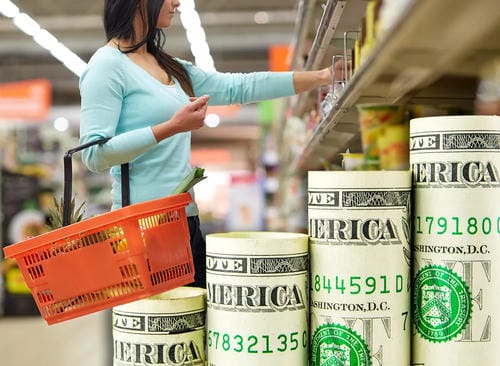
On the other hand, non-perishable items like canned goods or long-life beverages are less sensitive to holiday-driven price changes. Consumers can often purchase these items earlier or stock up in advance to avoid paying higher prices. Understanding which categories are most affected allows shoppers to plan purchases strategically and mitigate the impact of holiday price surges.
Consumer Behavior and Psychological Pricing
Psychology plays a significant role in holiday pricing strategies. Consumers expect higher prices and often adjust their behavior accordingly. Retailers understand that urgency and limited availability can prompt shoppers to purchase items at elevated prices rather than risk missing out.
This phenomenon, sometimes called "holiday price elasticity," reflects how sensitive consumers are to price changes during specific periods. For instance, a shopper might delay buying a standard loaf of bread in July when prices are stable but rush to purchase specialty bread for a holiday meal despite higher costs. Retailers capitalize on this predictable behavior to manage both inventory and revenue.
Market Trends and External Factors
Recent years have added complexity to grocery pricing. Inflation, fuel costs, labor shortages, and global supply chain disruptions all amplify seasonal price fluctuations. For instance, transportation delays caused by port congestion can limit the timely delivery of imported holiday goods, forcing stores to adjust prices.
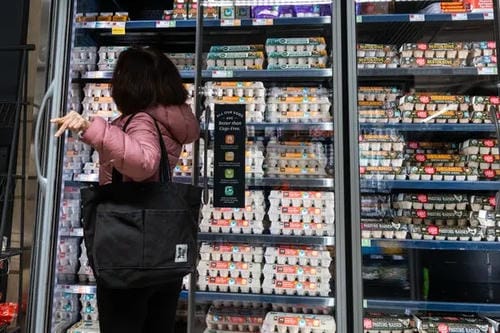
Economic conditions also influence consumer sensitivity to price changes. In periods of high inflation, shoppers may become more selective, searching for deals or alternative products. Conversely, during times of economic stability, consumers may be more willing to accept holiday price premiums.
Practical Tips for Consumers
Despite these price dynamics, consumers can take practical steps to manage holiday spending:
Plan Ahead: Buying non-perishables and common staples early can avoid paying holiday premiums.
Track Prices: Some apps and websites allow shoppers to monitor price trends over time, identifying optimal buying windows.
Substitute Smartly: Seasonal or specialty items can sometimes be substituted with alternatives that offer similar quality at lower costs.
Shop Locally: Farmers" markets or local grocers may offer competitive pricing and fresher options compared to large chains.
Use Loyalty Programs: Retailers often provide discounts and promotions to loyalty members during peak seasons.
By approaching holiday shopping with awareness and strategy, consumers can reduce the financial impact of seasonal price increases.
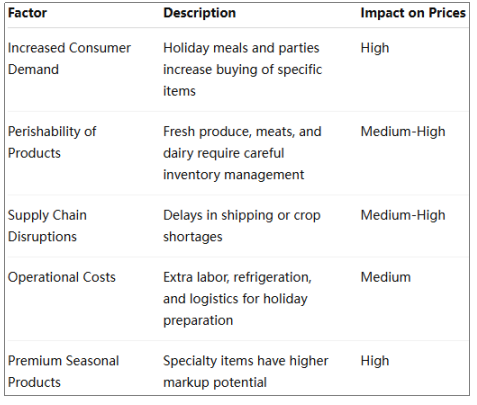
(Table 2- Factors Contributing to Holiday Price Increases)
Holiday price surges at grocery stores are not arbitrary; they reflect a complex interplay of supply and demand, strategic retailer management, and consumer behavior. Awareness of these economic dynamics empowers shoppers to make informed decisions, optimize spending, and even anticipate the timing of purchases. As grocery store economics continue to evolve with market conditions and technological advancements, understanding these patterns remains an essential skill for savvy consumers.
(The views expressed in this article are for informational purposes only and do not constitute financial or investment advice. Individual circumstances vary, and readers should consider their personal situations before making decisions based on the information provided.)
FQAs:
1: Why do grocery prices rise even if supply seems
plentiful?
Retailers adjust prices not only based on supply but also demand,
operational costs, and strategic inventory management. High demand for specific items during
holidays can drive prices up despite sufficient overall stock.
2: Are there any products that typically do not increase in price
during holidays?
Non-perishable goods, like canned items or basic staples, tend to remain
more stable in price compared to seasonal or perishable products.
3: How can consumers anticipate price
hikes?
Monitoring price trends using apps, following weekly store promotions, and
planning purchases in advance can help anticipate and mitigate holiday price
increases.
About Author
Jordan Whitmore is an economic analyst with over a decade of experience studying consumer behavior and retail markets. He specializes in food and grocery economics, providing insights that help readers make informed spending decisions during seasonal peaks.
References
[1] Bureau of Labor Statistics. (2025). Consumer Price Index data.
[2] National Grocers Association. (2025). Seasonal Grocery Trends.
[3] Smith, J. (2024). Understanding Supply Chain Impacts on Grocery Pricing. Journal of Retail Economics, 12(3), 45- 2.
Explore more articles on this blog to uncover insights that make everyday economic decisions smarter and more manageable!